
Growing up in the UK resulted in having access to so many different foods and ingredients. Both in terms of the cuisine you could enjoy from various restaurants but also items available in various stores, including basic grocery stores, and dotted around specialized locations.
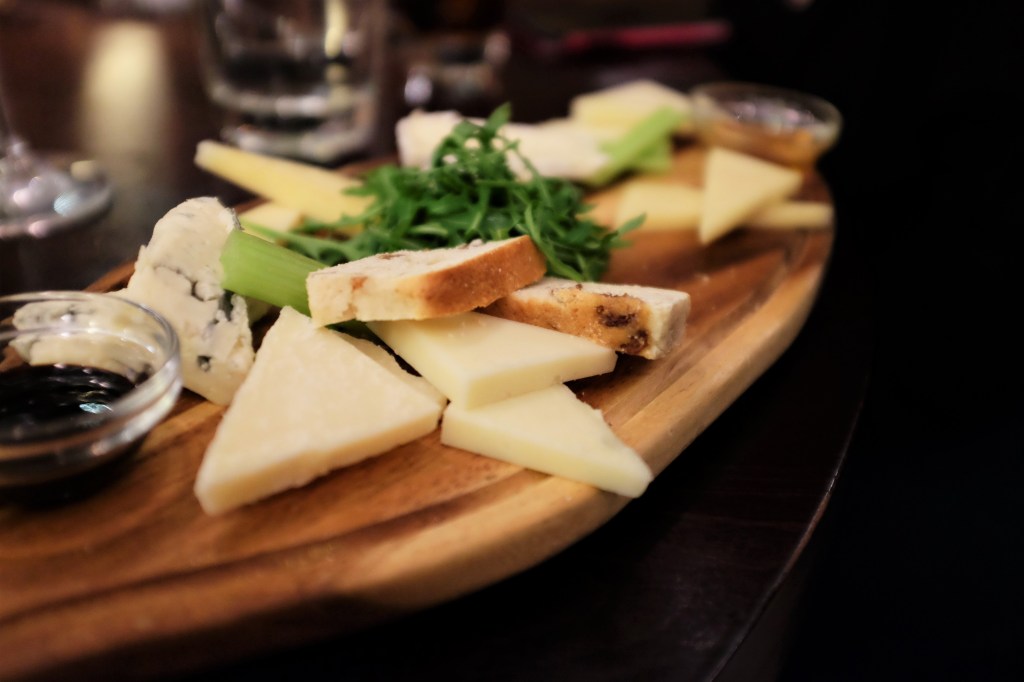
As the home of Cheddar Gorge, sweeping countryside and being on the doorstep of mainland Europe it comes as no surprise that the selection of cheese both home produced and importable without going bad was vast. With that I’ve had the chance to enjoy a pretty wide selection of cheeses. But one thing I noticed from talking to North Americans is there are a lot of cheeses that I view as basic they have never even heard of; What better way than to share the knowledge with a list of my top picks (plus maybe an honorable mention or two).
The basic cheese: Extra mature cheddar.
What do I mean by extra mature? Americans might try to say it means extra sharp but let me tell you that extra sharp cheddar in the US is mature cheddar at best. It has a tangy punch and certainly provides flavour. It has been left after production for longer and with that also has that little bit more rigidity to it as well.
That extra bit of flavour that it also imparts because of this process makes it an absolute pleasure to have as a stand alone sandwich or it being able to withstand other hefty ingredients. It is not something I would grate (or “shred”) on top of a lot of food dishes though as it can then overwhelm in terms of flavour but also because as it melts it sweats, for lack of a better word, a much more crystallized saltiness than a less mature one which often weeps something representing fat and oils.
Honourable mention: If it was more versatile for daily life, rather than best suiting a select number of dishes or a cheeseboard, Wookey Hole Cave Aged Cheddar would be the winner either here or in the next category. I also have a bias here because I used to visit Cheddar Gorge and Wookey Hole Caves growing up when visiting family and getting to sample this sort of “proper cheddar” from a young age.
The fancier (but still basic) daily cheese: Wensleydale.
I have pretty delightful memories about this cheese though after growing up fairly close to the *real* creamery and even asking my birthday day out one time as a teenager to be to go there, get cheeses and have a picnic in the countryside around it.
Generally Wensleydale has a lot more of a creamy taste and texture than something like a cheddar does because it isn’t aged so much as produced and left to set into a block of deliciousness. That does mean though that it has a more crumbly style of texture, a higher liquid factor and does not tend to melt very well so this isn’t a pop into your cheese toastie cheese unless you just want it to brown up and dry out a little (they do have Kit Calvert and Fountains Gold that work superbly for this though).
The most daily Wensleydale is the standard block produced with the milk of local cows and when I tell you that the creamery is surrounded by peaceful countryside with very little pollution to clutter up the air and impact the cows, fields and foods they eat I mean it and these things obviously help to add to the flavour profile too.
So what is Wensleydale good for or to go with? Other than just eating as it is? It works wonderfully with nuts and fruits and cubed into fresh salads and this is why several different types of Wensleydale have actual pieces of fruit infused with them.
Controversial: The blue cheese they produce is a banger too because of the level of creaminess it doesn’t take long to produce so the development of the flavour profile is a lot milder and mixes well with the existing ones. This makes it brilliant for putting into something like a broccoli soup and because of that small amount of extra aging it finds itself breaking down into the soup itself well instead of remaining as chunks.
The cooking cheese: Halloumi
What the heckers is halloumi? Well, it is sometimes called grilling cheese in the US, think of a pretty hefty heavy block of cheese with a very dense compact texture. Cut and sealed in a similar way to a ball of mozzarella to be classed as regulation size this Cypriot sheep and goat milk blend often finds itself in a pool of its own liquid.
Honestly, I am not sure whether it is because of halloumi that sheep and goat cheeses and various blends of them (think brie, camembert, etc) are my general favourite to enjoy or if my love for those led me down the road to halloumi. Regardless, this particular one does not actually have a huge amount of taste by itself but this means it is great for infusing or marinating in something to cook with. Add some olive oil, red chilli and a little bit of honey before grilling to either go with a fresh green leafy salad, one with grilled peaches specifically is a hecking dream, or popping into a burger as a meat replacement and you are in heaven.
People also turn halloumi into fries because again the texture works really well for this and if you fry it into something like a sesame oil it really picks up on the nutty profile and exaggerates what nutty flavours do already exist in the cheese.
The texture, or mouth feel, is not for everybody though as it can be a little bit of a squeaky cheese and even more so if it is cut to a certain thickness and the level of cooking does not completely match up well with the cooking point of the grill or oil as it can lead it to crisp up on the outside but remain more squeaky on the inside.
The alternative choice: If halloumi didn’t exist shudders then paneer is another cheese seemingly created to bring joy to the cooking world. And when I say that I am talking about you can make this cheese at home in a matter of an hour and then pop cubes of it into a dish without it just melting away. This makes it delightfully easy to put into dishes that pack a punch or a heavy note such as a curry sauce created over a long period of time (this is the main way that I enjoy paneer). I guess think of it as a tofu in the sense of by itself being incredibly bland but seasoned well and put into something infused with a lot of flavour it works amazingly as a meet replacement.
The other cheeses:
Port wine infused Derby. I do not mean that weird potted stuff that you get in the US that seems to be some sort of spreadable cheese with the same name. I mean an actual truckle of hard cheese that has a deep red/purple marbling going on that thanks to the infusing of port wine. And you know why I love this cheese? It is a fruity burst of greatness as it tastes of blackcurrant and whilst there are plenty of things that top blackcurrant flavours this is like the savoury equal to a lot of purple candy in the UK (instead of that dreaded grape nonsense).
Double Gloucester with Onion and Chives. Flavourful enough to deserve a place on a cheeseboard but also perfect to go into a sandwich or be infused into something like a cheese sauce to help pack an extra bit of punch to your mac and cheese this creation has it all thanks to the addition of onion and chives as part of the making process. Oh and for avoidance of doubt I mean a spring onion or “scallion” not just some finely diced white onion bulb.
Rambol. An appropriate cheese pronunciation for somebody that likes to blabber on about absolute nonsense. This cheese is a much softer cheese, something like a cream cheese texture but not quite as it doesn’t break down in that exact same way, and most commonly infused with walnuts although other options are available. Yes if you know me you will know I shouldn’t consume walnuts but this cheese is so danged good that the tummy ache that comes with it is worthwhile because the intense nuttiness is powerful. The cheese itself is also nutty with a hint of smoky and that is why other varieties come with herbs or even salmon through it and you can use this as a spread on a high quality cracker or a fluffy freshly cut slice of bread.
 DANNIIXBHRI